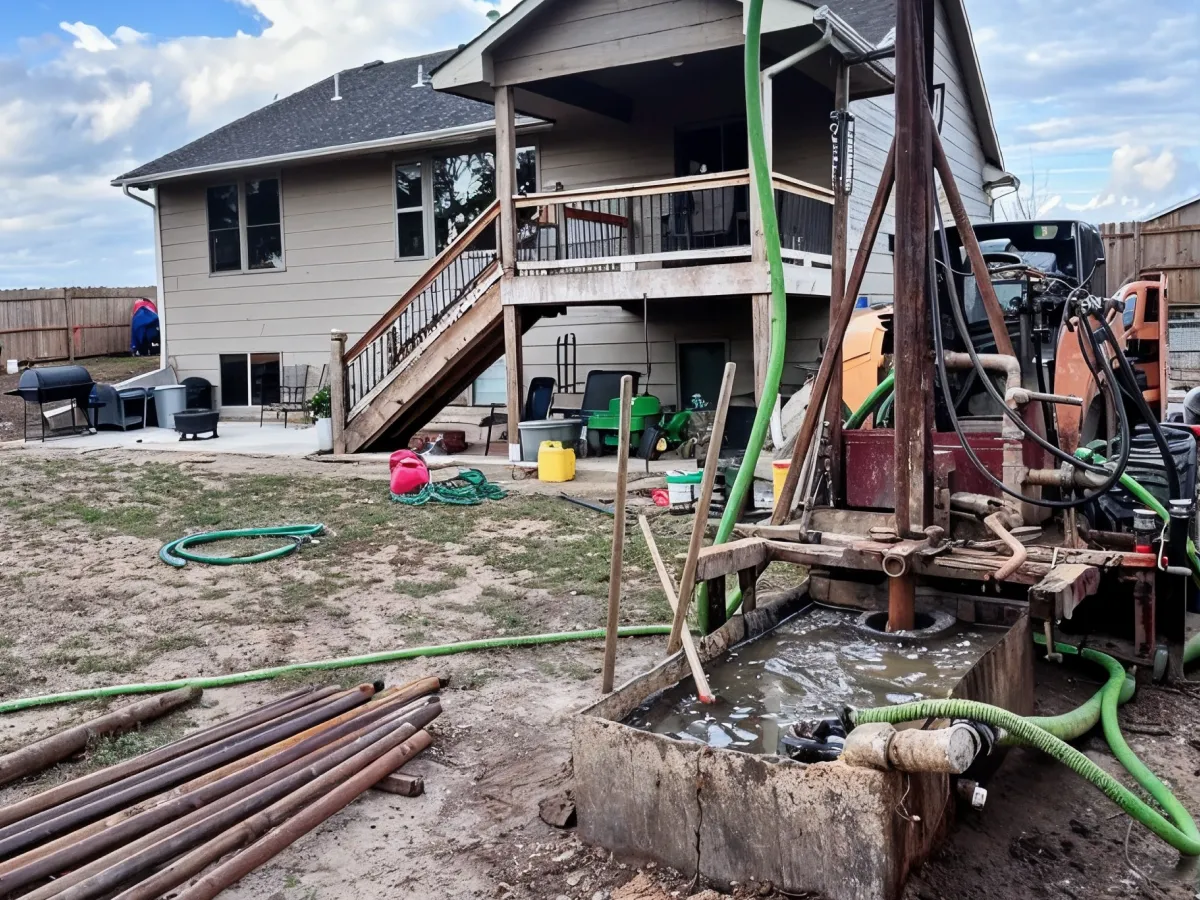
Understanding Water Well Systems in Kansas
Selecting qualified professionals for your drilling project protects your investment and ensures long-term reliability. State-certified teams understand the specific formations throughout the region, from limestone layers near El Dorado to sandstone deposits around Newton. This geological knowledge determines optimal drilling depths, typically ranging from 80 to 300 feet depending on your location and water requirements.
Modern well systems combine durable casing materials, sanitary sealing techniques, and appropriate pump technology to deliver clean water directly to your property. Properly installed systems maintain consistent pressure throughout your home or facility, supporting everything from kitchen faucets and washing machines to irrigation systems and livestock operations. The initial drilling investment provides decades of service when constructed according to current standards and local codes.
Water quality varies across different aquifer zones, making professional assessment essential during the drilling process. Testing protocols identify mineral content, hardness levels, and any treatment needs before you begin using your new water source. Understanding your water composition allows you to select appropriate filtration or conditioning equipment that protects plumbing fixtures and appliances while ensuring safe consumption for your family or employees.
Selecting the Right Drilling Professionals
Choosing the right team for your drilling project requires evaluating experience, licensing, and local reputation. Kansas regulations mandate specific certifications for drilling operations, ensuring technicians understand proper construction methods and environmental protection requirements. Verify that any contractor you consider holds current licensing through the Kansas Department of Health and Environment, demonstrating their commitment to professional standards and regulatory compliance.
Experienced drilling teams bring valuable knowledge about regional aquifer characteristics and seasonal water table fluctuations. In areas like Valley Center and Goddard, summer irrigation demands can temporarily affect shallow wells, making proper depth selection critical for year-round reliability. Professionals who regularly work throughout Cowley and Sumner counties understand these patterns and design systems that maintain consistent performance regardless of seasonal variations.
Equipment quality and maintenance directly impact drilling efficiency and well integrity. Modern rotary drilling rigs create straighter boreholes with minimal formation disturbance, while cable tool methods offer advantages in certain geological conditions. Ask potential contractors about their equipment capabilities and typical project timelines, ensuring they can accommodate your property’s specific requirements and access constraints.
Transparent pricing and detailed project proposals help you understand exactly what your investment includes. Quality contractors provide written estimates covering drilling depth, casing specifications, pump installation, and all necessary permits. This documentation protects both parties and establishes clear expectations for project completion, preventing surprise costs or specification changes after work begins.
Local references and completed project examples demonstrate a contractor’s track record in your area. Speaking with previous clients reveals important details about communication, punctuality, problem-solving abilities, and overall satisfaction. Contractors who maintain long-term relationships with customers typically provide superior service and stand behind their work with meaningful warranties and ongoing support.
Pump Selection and Installation Essentials
Pump technology serves as the heart of your well system, determining water delivery capacity and energy efficiency. Submersible pumps installed deep within the well casing offer superior performance for most residential and commercial applications. These sealed units operate below the water line, pushing water upward through vertical piping while remaining protected from weather exposure and mechanical interference that can affect surface-mounted alternatives.
Proper pump sizing requires calculating your peak water demand and matching it to your well’s production capacity. A typical household needs 10 to 15 gallons per minute for simultaneous fixtures and appliances, while agricultural operations or commercial facilities may require substantially higher flow rates. Undersized pumps struggle to meet demand during peak usage, while oversized units cycle too frequently and waste energy, emphasizing the importance of accurate capacity assessment.
Pressure tank selection complements pump performance by reducing cycling frequency and maintaining consistent delivery pressure throughout your property. These vessels contain pressurized air that cushions water volume fluctuations, allowing your pump to rest between activations. Tank sizing depends on pump capacity and household demand patterns, with larger tanks providing better system efficiency for properties with variable water usage throughout the day.
Electrical requirements and control systems ensure safe, reliable pump operation. Modern installations incorporate pressure switches, overload protection, and low-water cutoff devices that prevent damage during unusual conditions. Licensed electricians should handle all wiring connections, following National Electric Code standards and manufacturer specifications to protect your equipment investment and prevent hazardous malfunctions.
First Street Pump brings decades of specialized experience to every installation project throughout the region. Their certified technicians understand the unique demands of Kansas properties, from residential wells supporting family homes to high-capacity systems for agricultural and commercial operations. With responsive service, quality equipment selection, and thorough installation practices, First Street Pump ensures your well system delivers reliable performance for years to come. Their commitment to customer satisfaction and technical excellence makes them the trusted choice for drilling, pump installation, and ongoing maintenance throughout Sedgwick County and surrounding areas.
Maintenance and Troubleshooting Strategies
Regular system inspections prevent minor issues from developing into costly failures. Annual checkups allow technicians to evaluate pump performance, test pressure settings, and inspect electrical connections before wear creates problems. These preventive visits typically include pressure tank air charge verification, control switch calibration, and visual assessment of all accessible components, ensuring everything operates within manufacturer specifications.
Water quality monitoring protects your health and equipment longevity. Annual testing identifies changes in mineral content, bacterial contamination, or chemical intrusion that may require treatment adjustments. Kansas properties sometimes experience iron bacteria growth during warm months, creating reddish staining and unpleasant odors that indicate the need for shock chlorination or filtration system installation.
Common performance problems often signal specific component failures that trained technicians quickly diagnose. Reduced water pressure may indicate pump wear, pressure switch failure, or clogged filtration screens. Cycling issues where pumps activate too frequently typically point to pressure tank problems, either waterlogged bladders or incorrect air charge. Strange noises from well equipment suggest mechanical wear or electrical issues requiring prompt professional attention.
Emergency service availability provides critical support when unexpected failures interrupt your water supply. Established local contractors maintain parts inventories and offer priority response for urgent situations, minimizing disruption to your household or business operations. Building a relationship with qualified service providers before emergencies occur ensures you receive prompt, knowledgeable assistance when problems develop.
System upgrades and modernization extend the life of older installations while improving efficiency. Replacing outdated pumps with current variable-speed models reduces energy consumption, while updating control systems adds protective features unavailable in earlier technology. These incremental improvements enhance reliability and lower operating costs without requiring complete system replacement.
Planning Your Well Investment
Budget planning for well installation requires understanding all project components beyond basic drilling costs. Total investment includes permits, geological assessment, drilling to adequate depth, casing and grouting materials, pump and pressure system installation, electrical connections, and water testing. Requesting detailed written estimates from multiple qualified contractors helps you compare offerings and understand what each proposal includes.
Property assessment determines optimal well placement considering access for drilling equipment, separation distances from potential contamination sources, and convenient connection to your home or facility. Kansas regulations require minimum setbacks from septic systems, property lines, and other wells, influencing where drilling can legally occur. Site evaluation by experienced professionals identifies the best location balancing regulatory compliance, geological conditions, and practical access needs.
Permit acquisition and regulatory compliance protect your investment and ensure legal operation. County health departments review well construction plans, verify contractor licensing, and inspect completed installations before authorizing system use. This oversight process confirms your well meets all safety standards and environmental protection requirements, preventing future complications when selling property or obtaining financing.
Financing options and return on investment considerations help justify the upfront expense. While municipal water connections involve ongoing monthly fees, well systems provide decades of service with minimal operating costs beyond electricity and occasional maintenance. Properties with irrigation needs, livestock operations, or high household consumption typically recover drilling investments within several years through eliminated water bills.
Long-term value extends beyond immediate cost savings to include property marketability and water security. Homes and businesses with properly installed well systems attract buyers seeking independence from municipal supplies and protection against water restrictions during drought periods. Quality well infrastructure represents permanent property improvement that enhances value and provides reliable resource access regardless of external supply conditions or rate increases.